Splitting numbers into equal parts sounds simple until the remainders start causing trouble. Division Puns turn quotients, long calculations, and tricky number problems into amusing wordplay that makes arithmetic feel less serious.
Teachers, students, and math fans can use these jokes for classroom laughs, witty captions, or fun study breaks. Each line offers a fresh take on dividing things up, with clever punchlines and a few well-placed emojis.
Long Division Puns
Long division takes patience and practice to solve correctly. These jokes make lengthy calculations more enjoyable and fun.
- Algorithm lovers know long division takes the scenic route.
- Backtracking through digits makes math an adventure.
- Carrying numbers feels like moving day for digits.
- Digits patiently wait while the quotient takes shape.
- Exhausted numbers deserve breaks after lengthy calculations. 😴
- Fractions appreciate division for simplifying complicated problems.
- Grinding through steps makes the answer more rewarding.
- Homework feels lighter when division gets funny.
- Calculations take the long road but still reach the right destination.
- Remainder detectives follow every step to crack the numerical case.
- Subtracting repeatedly keeps long division moving forward.
- Worksheets become less daunting when each digit plays its part.
Remainder Puns
Remainders are the extras left after division. These puns give leftover numbers their moment of fame.
- After division parties, remainders keep hanging around.
- Leftover digits always find ways to stay relevant.
- Odd numbers enjoy leaving something behind.
- Spare numbers find purpose in every remainder.
- Unfinished calculations leave remainders seeking attention.
- Extra digits know how to make small appearances count. 😎
- Remaining hopeful keeps every number optimistic.
- Surplus digits become mathematical souvenirs.
- Left-behind numbers still deserve recognition.
- Uneven splits give remainders a chance to stand out.
- Residual digits refuse to disappear without a trace.
- Overflowing answers leave a little numerical mystery behind.
- Unexpected leftovers make division more interesting.
- Fractional surprises prove that not every split comes out even.
Quotient Puns
A quotient reveals the result of dividing one number by another, but it can also inspire a clever punchline. These jokes turn final answers and tricky calculations into amusing moments.
- Answers shine when the quotient finally appears.
- Balanced quotients keep calculations on track.
- Clever numbers always find a fair quotient.
- Dividing successfully puts quotients in the spotlight.
- Equal results prove quotients know their jobs.
- Final answers enjoy being the main attraction. 🎉
- Grateful digits celebrate every perfect quotient.
- Honest calculations never exaggerate their results.
- Mathematical confidence grows when quotients make sense.
- Results feel rewarding when everything finally clicks.
- Successful division gives every quotient a reason to smile.
Divisor and Dividend Puns
The dividend gets divided, while the divisor does the dividing. These puns celebrate their mathematical partnership.
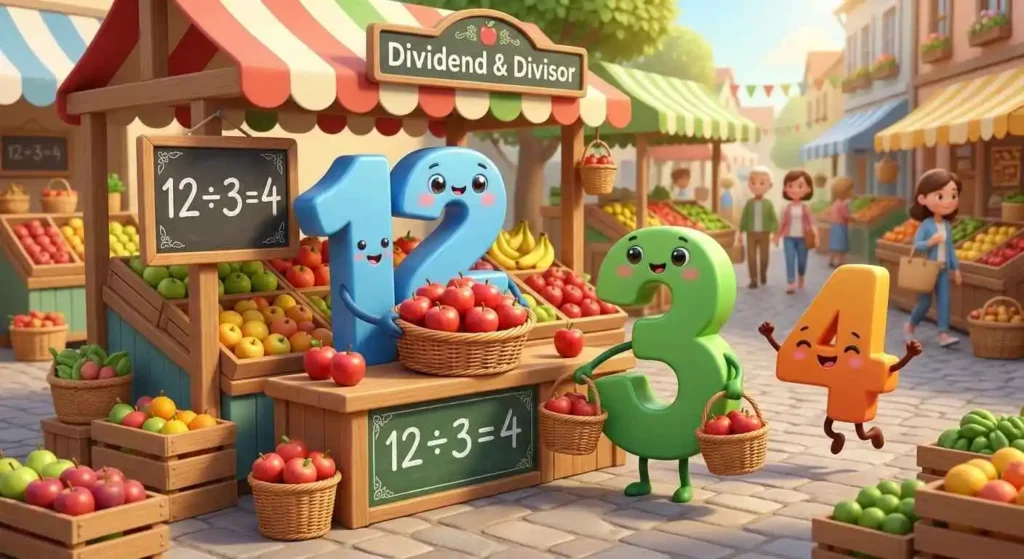
- Ambitious dividends are ready to split into smaller parts.
- Bossy divisors tell bigger numbers how to separate.
- Cooperative dividends make every calculation easier.
- Determined divisors never quit searching for quotients.
- Generous dividends enjoy sharing their value. 🤝
- Helpful numbers keep division running smoothly.
- Impatient divisors want quick numerical results.
- Jolly dividends turn calculations into shared success.
- Kind divisors make splitting numbers less intimidating.
- Large dividends become manageable through sharing.
- Motivated divisors encourage numbers to cooperate.
- Patient dividends wait while divisors do their work.
- Respectful divisors treat every dividend fairly.
Division Sign Puns
The division sign tells numbers when to split. These symbol-inspired jokes make arithmetic more entertaining.
- A dotted symbol knows how to separate crowds.
- Bold division signs split numbers without hesitation.
- Centered dots keep the symbol balanced.
- Dotted symbols always know where to draw the line.
- Elegant signs make dividing look effortless.
- Funny symbols turn arithmetic into visual comedy. 😂
- Geometric dots give division its signature style.
- Horizontal lines keep every symbol grounded.
- Iconic symbols prove punctuation can do math.
- Juggling numbers gets easier when division steps in.
- Keen observers know those dots mean business.
- Little dots and lines make a powerful team.
- Mathematical symbols never divide their attention.
Equal Sharing Puns
Division helps people share things fairly. These jokes bring humor to snacks, friendships, and group activities.
- A fair split keeps friendships together.
- Balanced portions make picnics mathematically peaceful.
- Caring friends divide snacks without dividing friendships.
- Delicious cookies disappear when everyone gets an equal share. 🍪
- Equal portions prove fairness can be measured.
- Friendly numbers never fight over bigger slices.
- Generous classmates share pencils without hesitation.
- Happy campers divide marshmallows before snacking.
- Inclusive sharing gives everyone a piece of fun.
- Just portions keep lunchroom drama under control.
- Kindness multiplies when snacks divide equally.
- Lunchroom math works best with equal portions.
- Mutual sharing turns pizza into happy slices. 🍕
- Neat portions prevent birthday party disputes.
- Openhearted friends know sharing adds happiness.
- Peaceful picnics begin with fair portions.
Calculator Puns
Calculators make division faster and easier. These puns give handy devices some mathematical personality.
- Accurate calculators never divide attention between buttons.
- Battery-powered brains make division look effortless.
- Clicking divide gives numbers a fresh perspective.
- Digital helpers never complain about arithmetic.
- Electronic brains turn division into quick calculations.
- Fast calculators leave mental math feeling embarrassed.
- Glowing screens make quotients feel like victories. ✨
- Handy calculators keep division disasters under control.
- Intelligent buttons know when numbers need splitting.
- Just one tap settles numerical disagreements.
- Keypad heroes save students from arithmetic headaches.
- Little calculators carry big responsibilities.
- Modern devices make dividing a buttoned-up business.
- Numerical assistants always aim for correct answers.
- Operative buttons make calculations more manageable.
- Pocket calculators pack big brains into small packages.
- Quick calculations leave less room for guesswork.
- Reliable calculators keep their digits busy.
- Smart devices never tire of crunching numbers. 🤖
- Tiny screens deliver answers without making a scene.
Arithmetic Puzzle Puns
Number puzzles can turn a simple calculation into a surprisingly tricky challenge. These jokes play with equations, remainders, and the occasional mathematical mystery.
- Arithmetic puzzles always know how to divide attention.
- My calculator joined the mystery club for extra digits.
- Missing numbers make terrible witnesses; they never add up.
- The equation looked suspicious, so I checked its division history.
- Remainders are just numbers refusing to leave the party.
- Puzzle pieces fit better when the fractions cooperate. 🧩
- My math detective solved the case by splitting hairs.
- Every tricky equation has a divided personality.
You’ll Also Love: Number Puns That Make Every Digit Count Twice Today
Decimal Division Puns
Decimal points may look tiny, but they can change an entire answer. These jokes give fractions, place values, and precise calculations their moment in the spotlight.
- Decimal points know exactly where to draw the line.
- My calculator moved the point; now we’re talking cents.
- Tenths have a way of making small talk.
- Hundredths never brag; they keep things to scale.
- Dividing decimals takes patience and a point of view.
- That decimal got promoted; it moved several places.
- Fractions went shopping, but decimals paid in installments.
- A misplaced point can make numbers lose their balance.
- My decimal jokes are precise to the last place.
- Rounding errors are just calculations taking creative liberties.
- The decimal felt overlooked, so it shifted position. 🔢
Division Facts Puns
Basic division equations become funnier when quotients and numbers get involved. These jokes give everyday calculations a playful twist.
- Quotients always know their place in the numerical world.
- Eight divided by two makes four points of happiness.
- Six goes into twenty-four like it owns the place.
- Division facts never exaggerate; they always give exact answers.
- Four into twenty makes every group feel included.
- Twelve divided by three leaves everyone equally satisfied.
- The quotient received top marks for being well-rounded.
- Nine divided by three makes a perfectly balanced trio.
- My calculator loves simple equations; they always add up.
- Division facts keep their numbers straight.
- Twenty divided by five gives everyone equal shares.
- The quotient opened a shop selling perfectly divided portions.
- Seven into forty-nine makes a naturally lucky result.
- Division tables have a way of making numbers click.
- Every quotient deserves credit for doing its fair share. 📚
Inverse Operation Puns
Multiplication and division are opposites that work surprisingly well together. These puns play with reversed operations and mathematical teamwork.
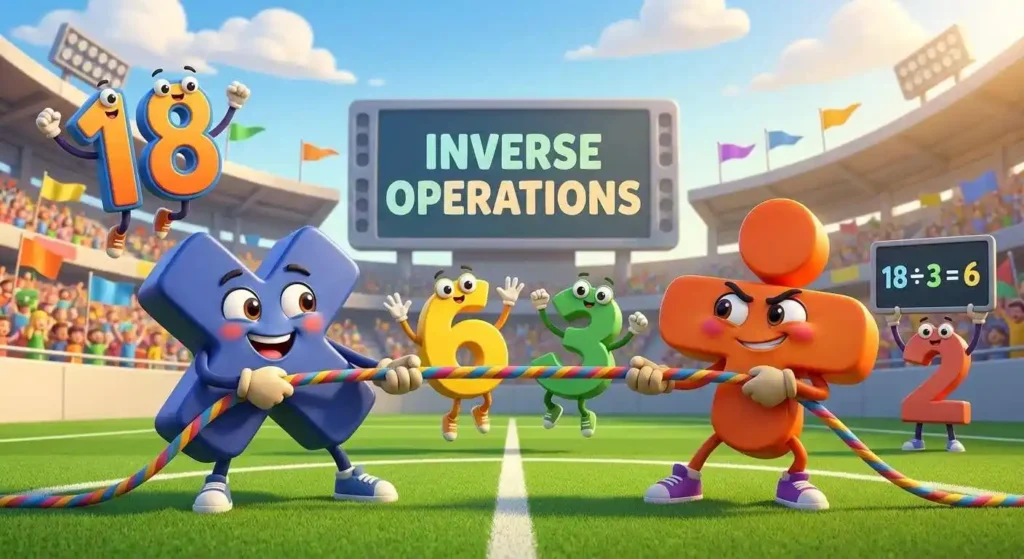
- Division and multiplication keep reversing their relationship status.
- My math problems have trust issues; everything gets reversed.
- Opposite operations always know how to balance things out.
- Multiplication sends invitations; division handles the guest list.
- Their relationship works because they know when to undo.
- The inverse operation returned the favor with interest.
- Division never holds a grudge; it simply works backward.
- Multiplication called division its better half.
- Reversing the equation gave the numbers a fresh perspective.
- Those operations make up quickly after every calculation.
- The math couple split up, then multiplied their chances.
- Inverse operations are proof that opposites can cooperate.
- Division and multiplication share an on-again, off-again equation. ↔️
Division Practice Puns
Practice helps students master division and build confidence. These jokes make worksheets and homework more enjoyable.
- Arithmetic practice gives struggling numbers another chance.
- Busy students divide time between homework and breaks.
- Consistent practice makes division feel less divided.
- Daily drills build confidence one answer at a time.
- Effort pays off when quotients finally make sense.
- Focused learners keep their eyes on the answer.
- Good practice turns mistakes into lessons. 💡
- Hardworking students find opportunities in every problem.
- Improvement begins when students face remainders.
- Just practicing daily can make division easier.
- Knowledge grows through careful calculations.
- Learning division feels fun when answers click.
- Mistakes are numbers asking for another attempt.
- Numerical drills keep students sharp.
- Organized practice helps learners find their rhythm.
- Patient learners know progress takes time.
- Questions become easier when steps feel familiar.
- Repetition turns division confusion into confidence.
- Study sessions improve when humor joins homework.
- Training your brain makes quotients more achievable.
- Understanding grows when students learn each step.
- Victory feels sweeter after a tricky worksheet. 🎉
Division Jokes
Division jokes make mathematical calculations more entertaining and less intimidating.
These funny jokes are perfect for students, teachers, and math lovers.
- Why did the number visit a therapist? It felt divided inside.
- How does a divisor stay calm? It learns to split the pressure.
- Why was the quotient so confident? It always knew its place.
- What did the remainder say at the party? “I’m still hanging around!” 😄
- Why did the calculator get promoted? It always came up with the right answers.
- How do numbers settle arguments? They divide things fairly.
- Why did the student love division? Every problem had a share of fun.
- What makes long division exhausting? Too many steps to get ahead.
- Why did the fraction feel incomplete? It was only part of the whole.
- What did the divisor tell the dividend? “Let’s break things down.”
- Why was the remainder so popular? It always brought something extra.
- How do mathematicians share pizza? They slice it into equal portions. 🍕
- Why did the number join a group? It wanted to be divided among friends.
- What did the quotient say after solving the problem? “That adds up to success!”
- Why did the division sign look balanced? It kept everything in line.
You’ll Also Love: Math Puns That Make Numbers More Fun for Everyone
Fun Ways to Share Division Puns With Everyone
The best division pun suits your audience and occasion. Use these simple tips to choose a funny line for your next post or activity.
- Audience: Choose simple jokes for younger students and clever wordplay for adults.
- Captions: Pick memorable puns for social media posts and funny photos.
- Classroom: Use friendly jokes during lessons to make division more enjoyable.
- Context: Match fraction jokes with fraction lessons and remainder puns with division exercises.
- Delivery: Share puns with a playful tone to make the punchline more effective.
- Variety: Mix calculator jokes with quotient wordplay to keep your collection entertaining.
The right division pun can make math lessons, captions, and conversations more enjoyable. Choose jokes that fit your audience and share them to spread some mathematical laughter.

Benjamin Harrison writes puns and jokes spanning animal humor, food wordplay, seasonal occasions, trending topics, and entertainment. Over five years in the niche, he has honed joke concepts by comparing punchline options, tightening setups, and adjusting word choices for sharper timing. He also edits themed collections, checks their structure, and updates wording where needed.